Understanding HVAC: A Simple Guide for Fresno Homeowners
As a homeowner in Fresno, TX, you might find yourself needing to understand the basics of your HVAC (Heating, Ventilation, and Air Conditioning) system. Whether you're looking to upgrade your system, troubleshoot issues, or simply become more informed, this guide will break down complex HVAC concepts into easy-to-understand terms.
What is an HVAC System?
An HVAC system is responsible for maintaining indoor comfort by controlling the temperature, humidity, and air quality in your home. It comprises three main components:
- Heating: Usually a furnace or heat pump that warms your home.
- Ventilation: The process of exchanging or replacing air within a space to provide high indoor air quality.
- Air Conditioning: Cools and dehumidifies the air in your home.
How Does an HVAC System Work?
Let's break down the process of how an HVAC system regulates your home's climate:
- Thermostat Control: The system is controlled by a thermostat, which detects the indoor temperature and sends signals to the HVAC system to heat or cool the space.
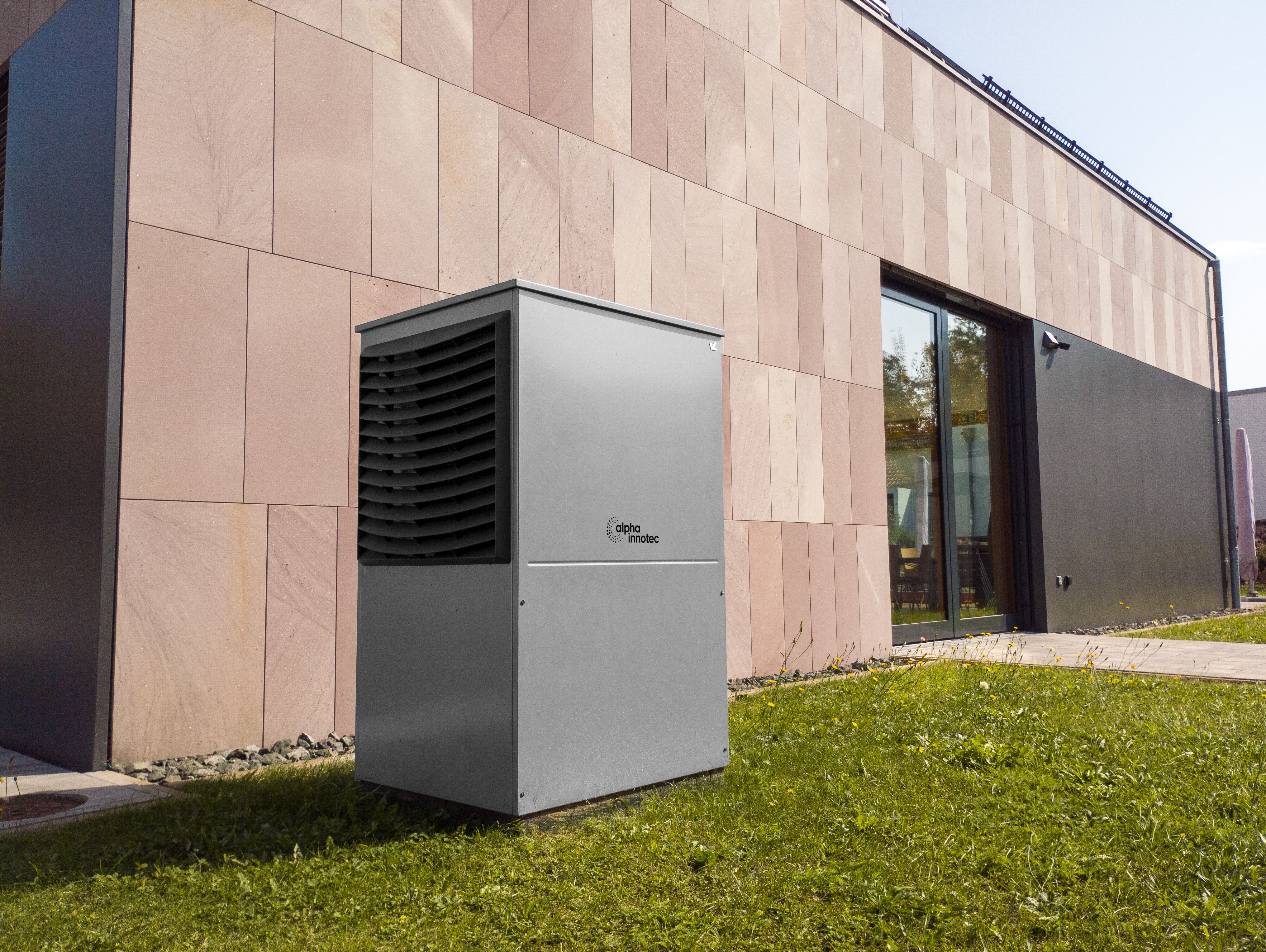
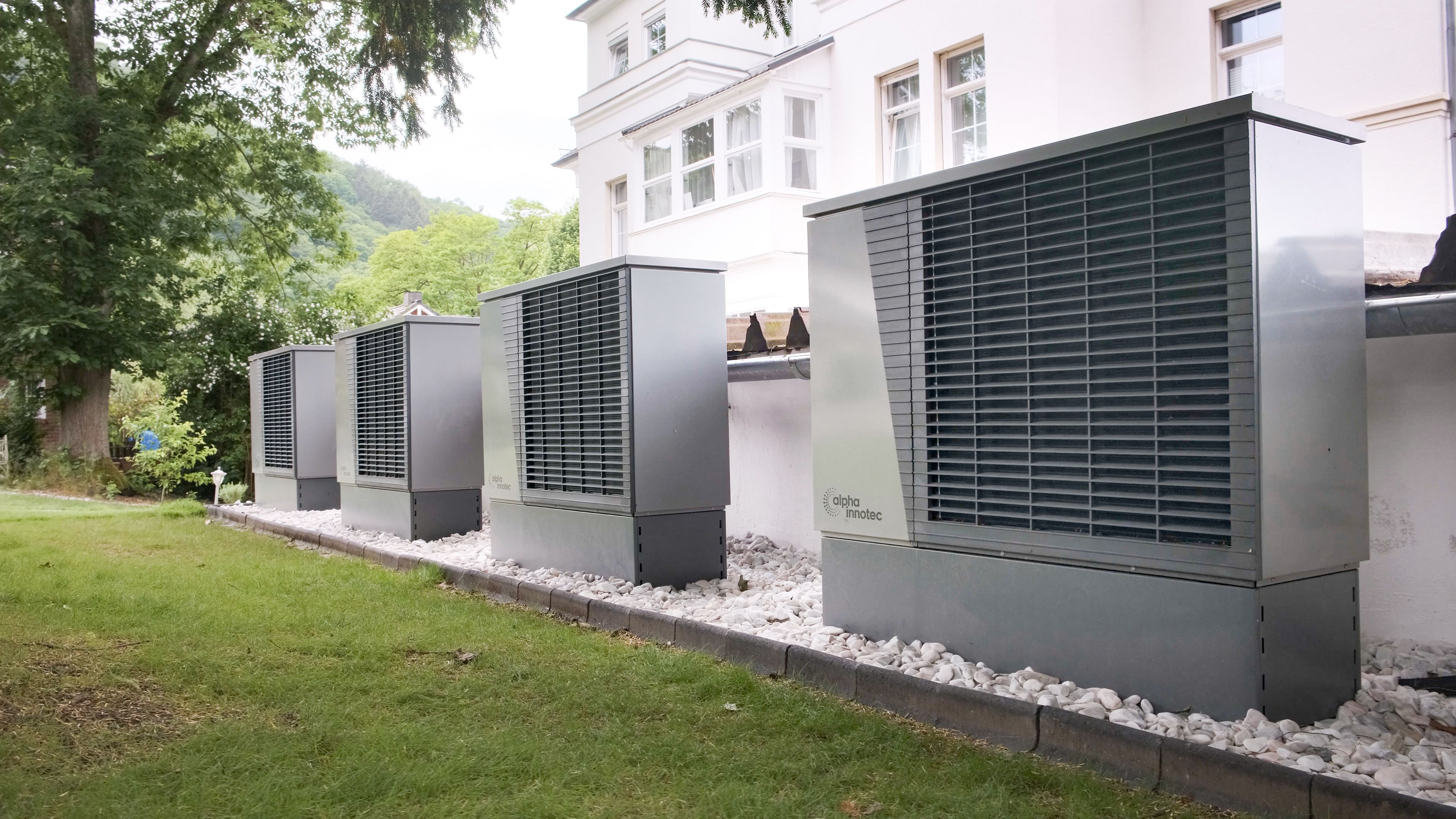
- Heating Process: If heating is required, the furnace or heat pump is activated. Furnaces use fuel like gas or electricity to generate heat, while heat pumps transfer heat from outside to inside.
- Cooling Process: For cooling, the air conditioner uses refrigerant to absorb heat from indoor air and expel it outside, cooling the air in your home.
- Air Circulation: A blower fan circulates the conditioned air through ducts to different rooms. Return ducts bring stale air back to be reconditioned.
Common HVAC Terms Simplified
Here are some common HVAC terms you might encounter, explained in simple terms:
- BTU (British Thermal Unit): A unit of measurement for energy. In HVAC, it's used to describe the cooling or heating capacity of a system.
- SEER (Seasonal Energy Efficiency Ratio): A rating that measures the efficiency of an air conditioning unit. A higher SEER indicates greater energy efficiency.
- COP (Coefficient of Performance): Measures the efficiency of a heat pump. A higher COP value means a more efficient system.
- Thermostat: A device that controls the temperature setting of your HVAC system.
- Refrigerant: A fluid used in air conditioners and heat pumps to transfer heat.
Why Understanding HVAC is Important
Having a basic understanding of your HVAC system can help you make informed decisions about maintenance, repairs, and upgrades. Here are some reasons why it matters:
- Energy Efficiency: Knowing how your system works can help you optimize its efficiency and reduce energy bills.
- System Longevity: Regular maintenance informed by an understanding of your system can extend its lifespan.
- Comfort Control: Adjustments and settings become easier when you understand how each component affects your indoor climate.
Simple Tips for Maintaining Your HVAC System
Here are some simple steps you can take to keep your HVAC system running smoothly:
- Regular Filter Changes: Change your air filters every 1-3 months to ensure proper airflow and reduce strain on your system.

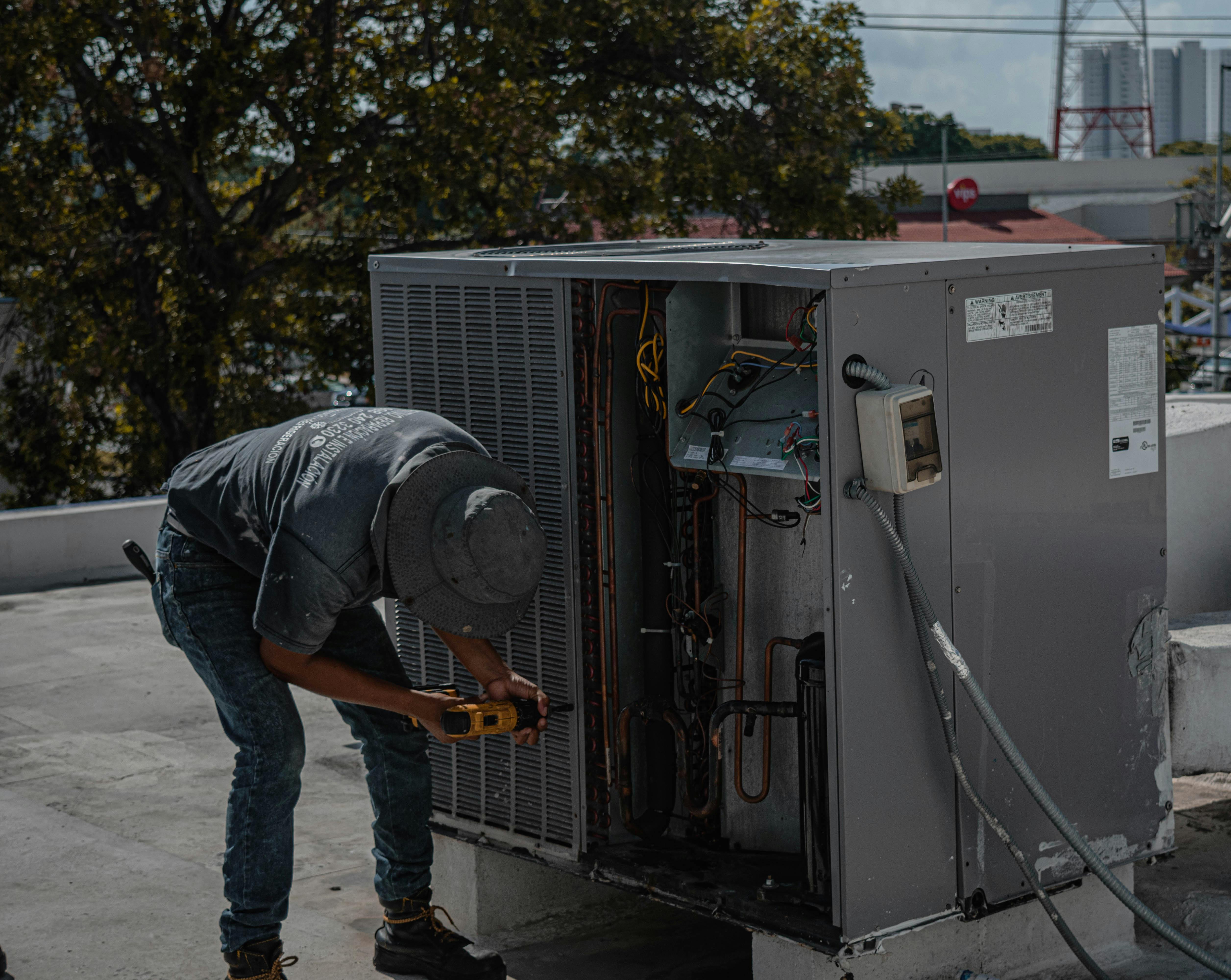
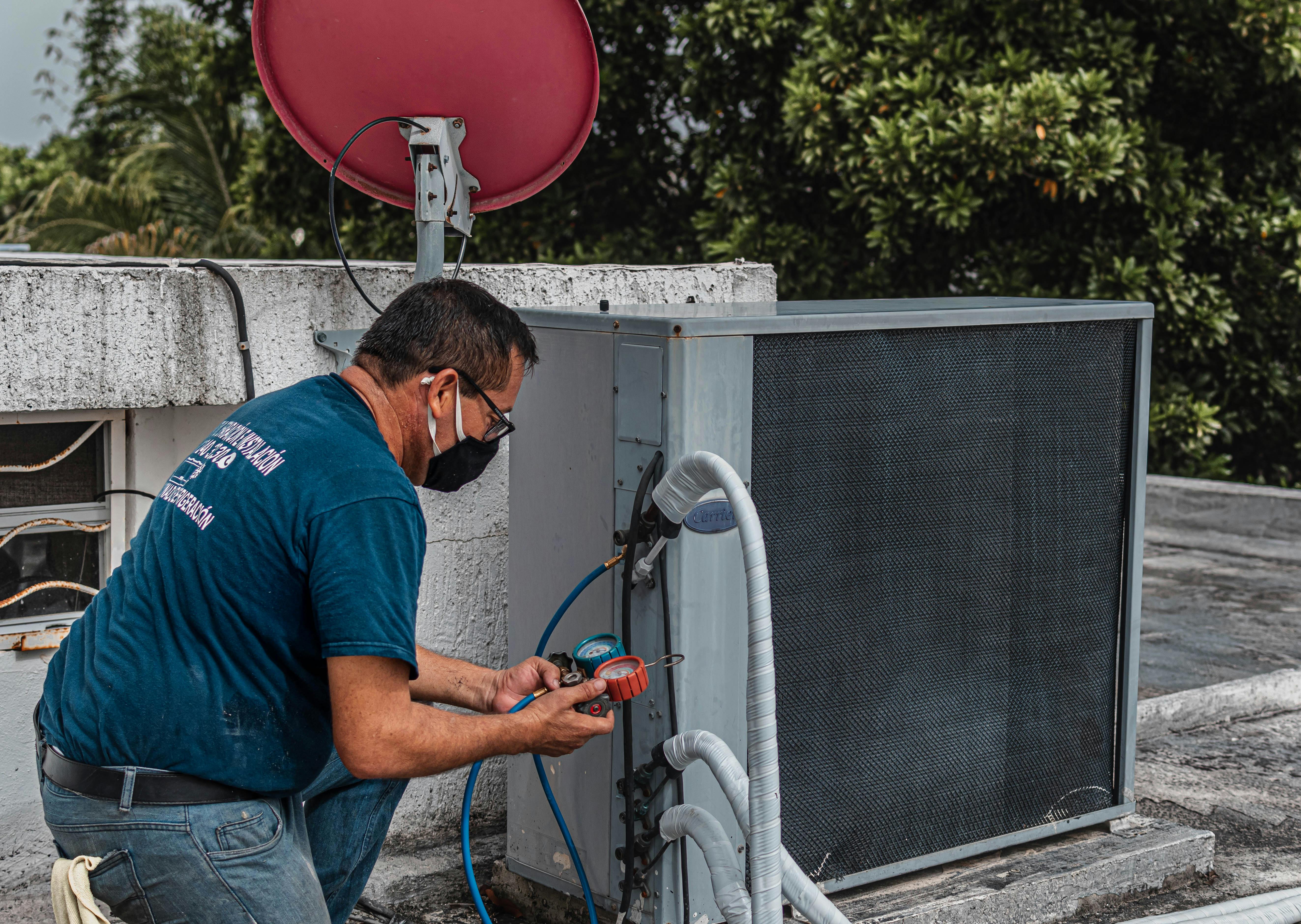
- Schedule Professional Maintenance: Have a professional HVAC technician from Always There Heating & Air inspect your system annually to catch potential issues early.
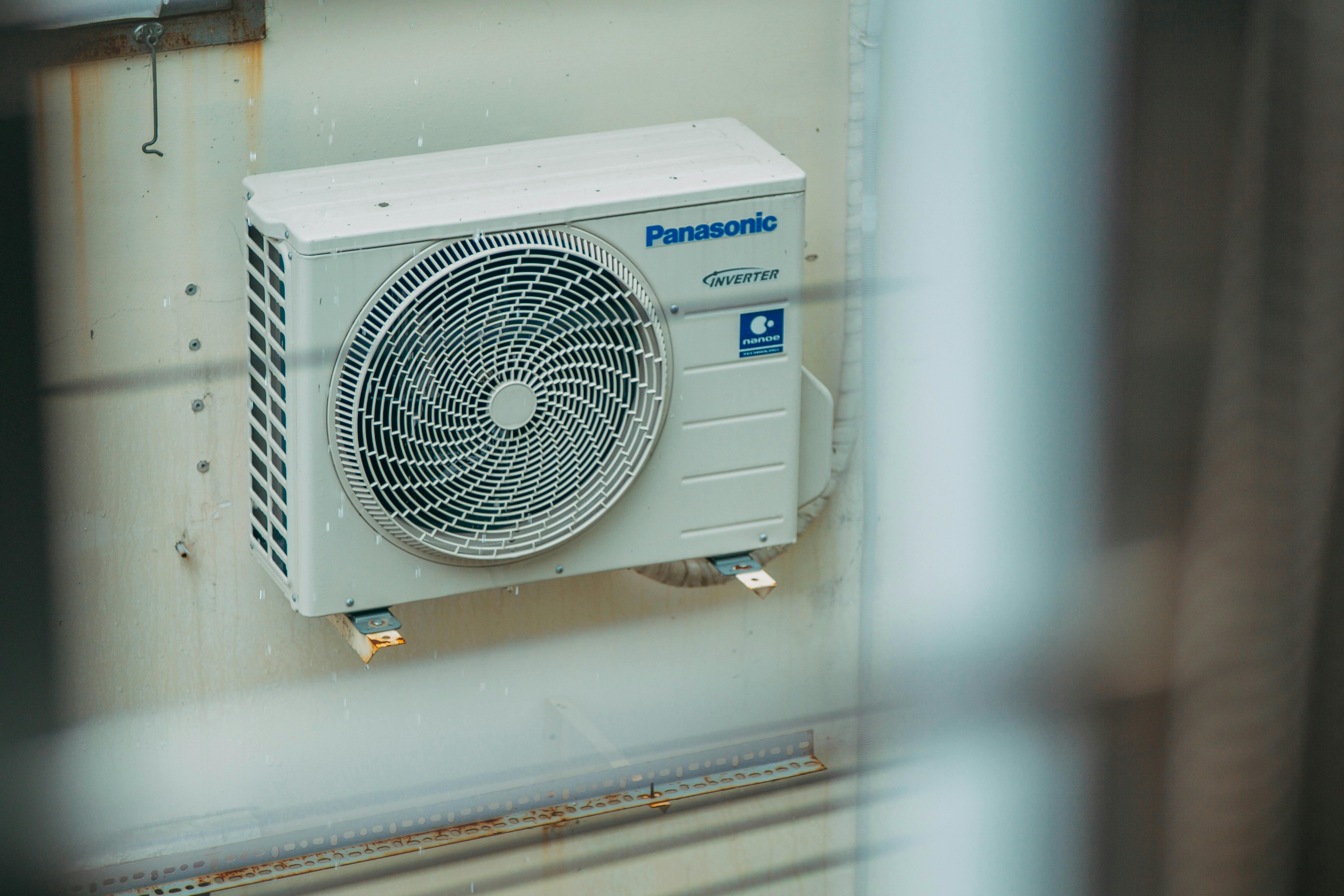
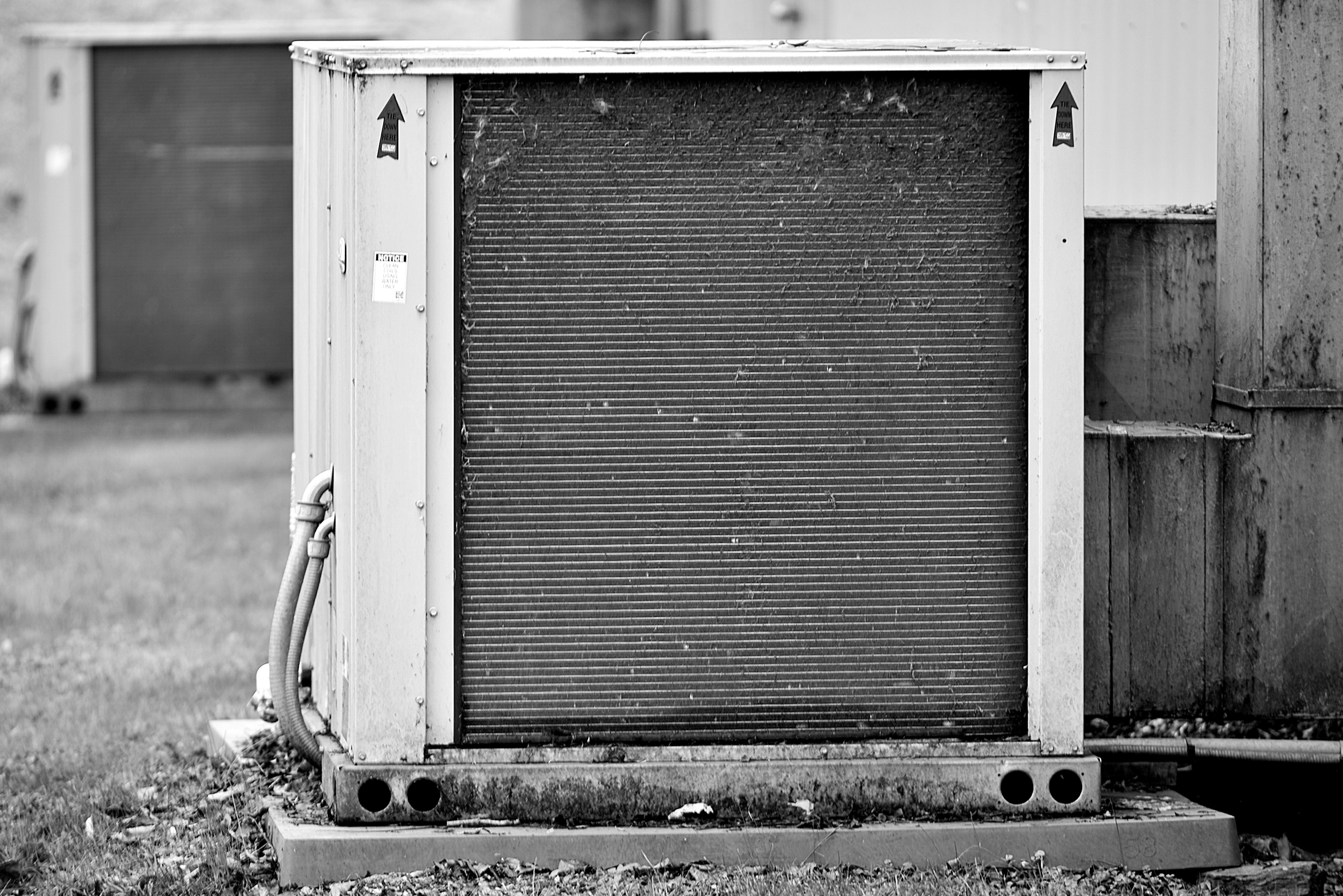
- Clear Debris: Keep the area around your outdoor unit clear of debris to ensure proper airflow.
- Use a Programmable Thermostat: Set your thermostat to adjust temperatures while you're away to save energy.
When to Call a Professional
While understanding your HVAC system can empower you to perform basic maintenance, certain issues require professional expertise. Contact Always There Heating & Air if you experience any of the following:
- Strange Noises: Unusual sounds can indicate mechanical issues that need professional attention.
- Inconsistent Temperatures: If some rooms are much hotter or colder than others, there may be an issue with your ductwork or system balance.
- High Energy Bills: A sudden increase in energy costs without a change in usage could indicate your system is working inefficiently.
Conclusion
Understanding the basics of your HVAC system doesn't have to be complicated. By familiarizing yourself with these concepts, Fresno homeowners can feel empowered to make smarter decisions about their comfort and energy efficiency. For professional advice and services, Always There Heating & Air is ready to help you maintain a comfortable and energy-efficient home.